Holiday decorating should make your home feel festive, not leave you with peeling paint, sticky residue, or damaged walls when January arrives.
The safest way to hang holiday decorations without damaging paint is to use existing hardware or freestanding displays whenever possible. If you prefer removable adhesive hooks, make sure your paint is fully cured, choose a product approved for your wall surface, follow its weight limits, and remove it exactly as the manufacturer instructs.
At Huskey’s Paint & Design, we know how much homeowners value beautiful, well-maintained interiors. Whether you’re decorating your Asheville home or getting a Western North Carolina gathering space ready for family and friends, a little planning can help protect your painted walls throughout the season.
How Can You Hang Holiday Decorations Without Damaging Paint?
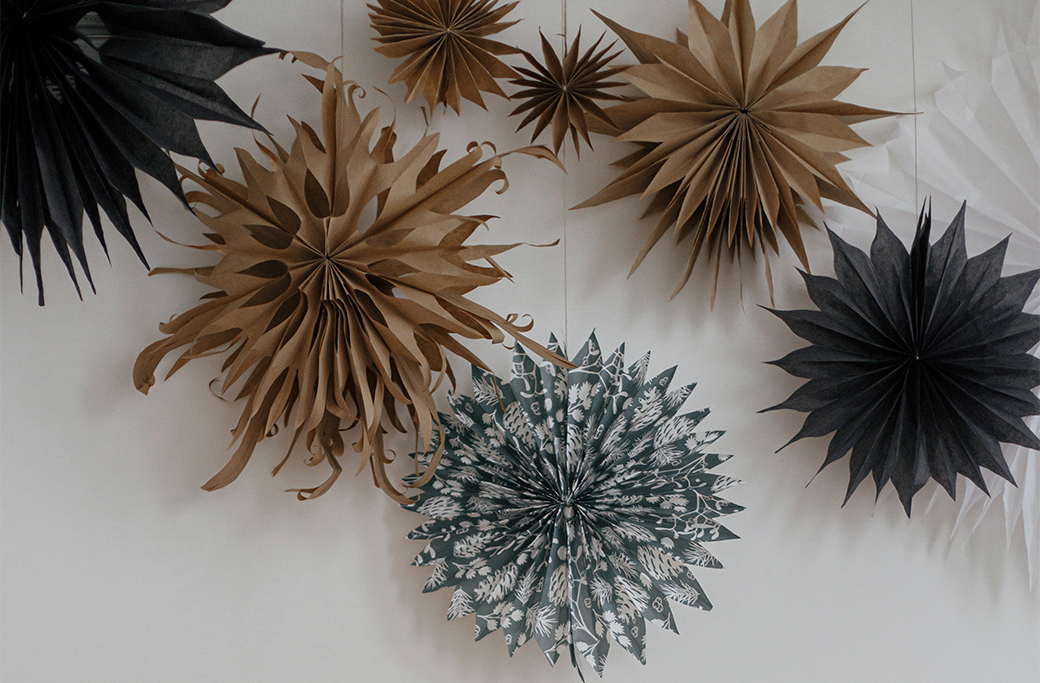
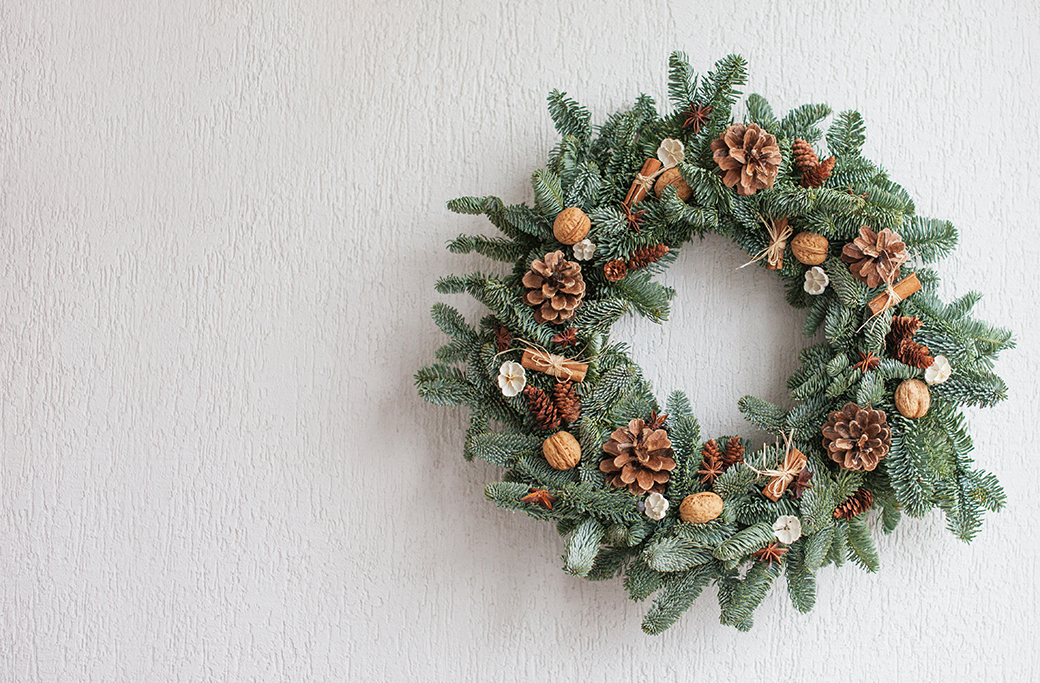
Holiday wall decorations don’t have to leave a lasting impression. Choose lightweight decorations and paint-safe hanging methods to keep your walls looking beautiful long after the holidays.
The best decorating method depends on your wall’s finish, the condition of the paint, and the weight of the decorations.
Lightweight paper decorations, garlands, wreaths, and framed seasonal artwork don’t all require the same hanging method. Before attaching anything to a painted surface, consider three questions:
-
-
Is the paint fully cured, firmly attached, and in good condition?
-
Is the hanging product specifically approved for this surface and the decoration’s weight?
-
Can the decoration be displayed without attaching anything directly to the wall?
-
A freestanding display or suitable existing hook may be a better choice than an adhesive product, especially on delicate finishes. The goal isn’t simply to keep decorations in place through December. It’s to take them down without leaving damage behind.
Wait Until Fresh Paint Has Fully Cured
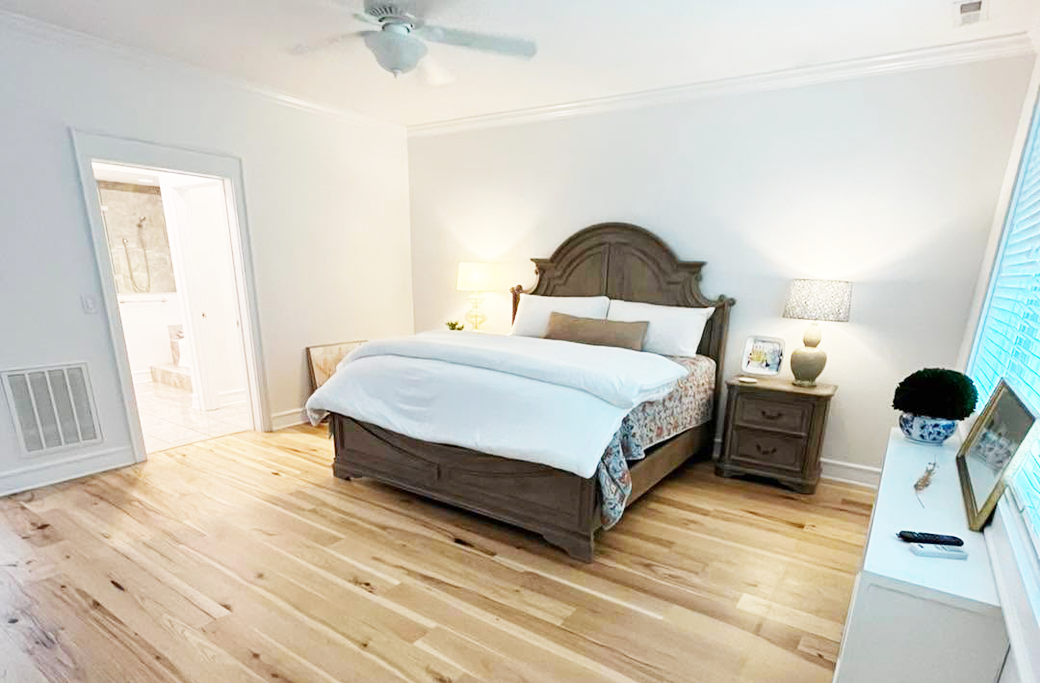
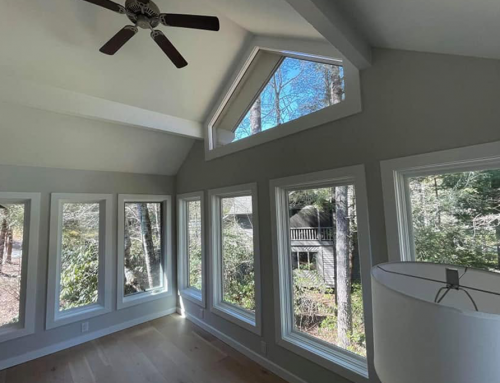
Beautifully finished interior walls provide a clean backdrop for seasonal decorating—without needing to put holes in the paint.
If you recently invested in professional interior painting, give the new finish enough time to cure before hanging decorations or applying adhesive products.
Dry Paint Isn’t Necessarily Cured Paint
Paint can feel dry to the touch long before it has completely cured. Drying generally means enough water or solvent has evaporated for the surface to feel dry. Curing is the longer process through which the coating develops its intended hardness and resistance to wear. Applying adhesive strips too early can increase the risk of marks, lifting, or damage when they’re removed. There is no single waiting period that applies to every paint and adhesive combination. Some products require longer waiting periods than others.
Our recommendation: Check the paint manufacturer’s curing instructions and the adhesive manufacturer’s surface requirements. Follow whichever restrictions are more protective before hanging anything. If you’re unsure whether a recently painted wall is ready, choose a decorating method that doesn’t contact the finish.
Planning to refresh your walls during the colder months? Our guide to painting your home’s interior during winter explains what homeowners should consider before starting.
Are Adhesive Hooks and Strips Safe for Painted Walls?
Removable adhesive hooks can be convenient for hanging lightweight seasonal decorations. But removable doesn’t mean risk-free. Products such as Command hooks and strips are designed for specific surfaces and weight limits. Their manufacturer recommends using compatible products on clean, smooth, sound painted walls and following the exact installation and removal instructions.
Check Your Wall Before Applying Adhesive
Inspect the area where you plan to place a hook or strip. Avoid applying adhesives over:
-
-
-
-
Peeling, cracking, bubbling, or flaking paint
-
Loose or previously repaired coatings
-
Heavily textured surfaces unless the product specifically permits them
-
Paint that hasn’t met its curing requirements
-
Delicate finishes that could be marked or dulled during installation or removal
-
-
-
Be particularly careful with textured or older walls where the coating’s adhesion may be uncertain.
Choose the Right Product for the Decoration
A lightweight paper decoration and a heavy wreath require different support. Check the manufacturer’s stated weight capacity, compatible surfaces, installation temperature, and preparation instructions. Don’t combine several hooks to support a heavier decoration unless the manufacturer specifically approves that arrangement. Also avoid hanging heavy or breakable objects above beds, seating areas, or other places where falling decorations could cause injury.
How to Remove Holiday Decorations Without Peeling Paint
Sometimes the greatest risk to your walls comes when the decorations come down. The most important rule is to follow the removal instructions for the exact adhesive product you used.
Remove Stretch-Release Strips Carefully
For compatible Command-style stretch-release products, the manufacturer’s instructions generally involve these steps:
-
-
Remove the decoration first so its weight isn’t pulling against the hook.
-
Expose the adhesive release tab according to the product instructions.
-
Gently stabilize the hook or mounting base without pressing it hard against the wall.
-
Slowly stretch the tab straight down, keeping it close and parallel to the wall.
-
Continue in the specified direction until the adhesive releases.
-
Don’t yank the hook outward. Pulling toward yourself instead of stretching the strip as directed can damage the painted surface. If a release tab breaks, resist the temptation to pry the hook away with a screwdriver or scraper. Consult the manufacturer’s broken-tab instructions before attempting another removal method. Even with careful removal, weak or previously damaged paint can still peel.
Safer Ways to Hang Decorations Without Adhesives
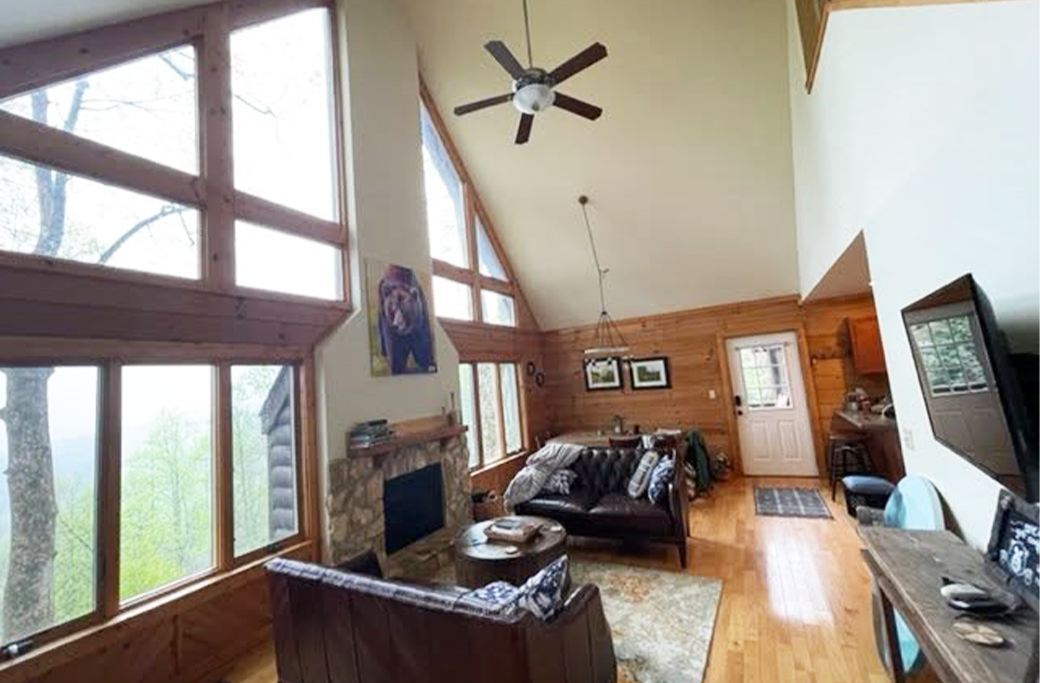
A fireplace mantel offers a natural place for holiday decorations without putting extra holes in painted walls. Use freestanding decorations and keep flammable materials safely away from heat and flames.
You don’t have to attach decorations directly to painted drywall to create a festive home.
Use Existing Hooks and Hardware
Already-installed hooks and suitable hardware can support seasonal decorations without adding new holes or adhesives. Check that the hardware is secure and appropriate for the decoration’s weight. Avoid putting unnecessary stress on door handles, curtain brackets, or other fixtures.
Try Ribbon or Tension Rods
Ribbon can work well for hanging lightweight decorations from appropriate existing fixtures. A tension rod may also provide a convenient place for lightweight garlands in a suitable opening. Follow the rod’s installation and load instructions, and use protective ends where appropriate. Keep in mind that tension rods can still leave pressure marks or damage trim if installed incorrectly.
Create Freestanding Holiday Displays
For especially delicate walls, freestanding decorations may be the best solution. Consider tabletop arrangements, decorative trees, seasonal centerpieces, or garlands arranged on stable furniture. You can also decorate mantels and shelves without attaching anything to the wall, provided the decorations are stable and kept away from heat sources. These options let you change your seasonal look without repeatedly applying and removing adhesives.
How to Handle Paint Scuffs and Touch-Ups in January
Once the holidays are over, take a few minutes to inspect your painted walls before putting furniture and artwork back in place.
Start With Gentle Cleaning
Small scuffs don’t always require repainting. First, remove loose dust with a soft cloth. If cleaning is appropriate for the paint finish, try a slightly damp microfiber cloth and gentle pressure in an inconspicuous area. Avoid aggressive scrubbing, abrasive pads, and strong cleaners that can dull or burnish the paint. Allow the surface to dry before deciding whether a touch-up is necessary.
Match the Paint Color and Sheen
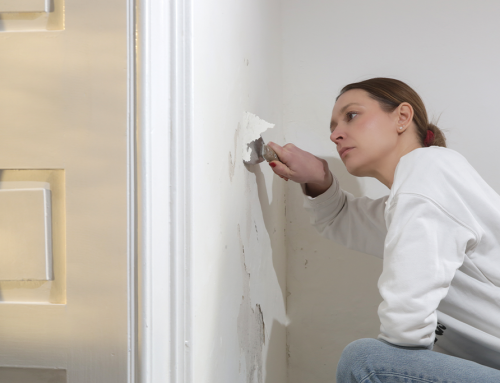
For a small damaged area, an appropriate touch-up may be enough. However, even paint with the same color name can look different if the original coating has aged or the new paint has a different sheen. For the best chance of blending, identify the original paint product, color, finish, and application method. If adhesive removal lifted the paint, any loose coating must be addressed and the surface properly prepared before repainting. Never simply cover peeling paint or an unresolved moisture problem with another coat.
Know When a Full Wall Repaint May Look Better
A tiny touch-up may be barely noticeable on one wall but stand out on another, particularly in strong natural or angled lighting. If there are multiple damaged areas, significant sheen differences, or an older finish that’s difficult to match, repainting the full wall may provide a more consistent appearance. Our residential interior painting services can help homeowners refresh walls that need more than a minor touch-up.
Keep Your Interior Walls Looking Their Best
The holidays bring plenty of opportunities to make your home feel warm and welcoming. With the right decorating methods and careful removal techniques, you can enjoy your favorite seasonal traditions while reducing the risk of damage to your painted walls. If the season reveals scuffs, aging finishes, or walls ready for a fresh look, we’re here to help.
At Huskey’s Paint & Design, we provide professional interior painting services for homeowners in Western North Carolina, including the Asheville area. Whether you’re planning a single-room refresh or a larger interior painting project, we’d be happy to discuss your goals.
Contact Huskey’s Paint & Design to request a free painting estimate and let’s get your walls looking their best for the seasons ahead.