Yes, you can paint the inside of your home during winter. In fact, winter can be an excellent time for interior painting in Western North Carolina and communities near the North Carolina–South Carolina border. The key is maintaining suitable indoor temperatures, controlling moisture, providing ventilation, and allowing enough time for paint to dry and cure properly.
Why Winter Is Ideal for Interior Painting
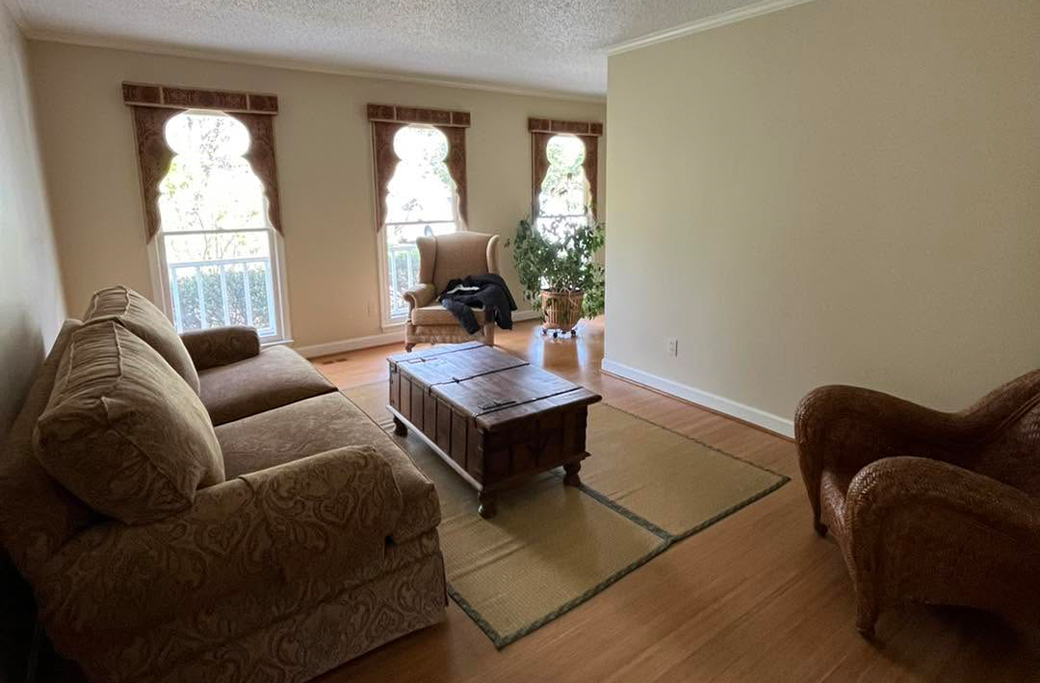
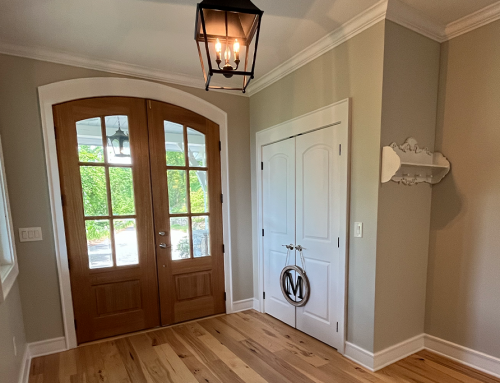
Warm neutral walls can make living spaces feel comfortable and welcoming during Western North Carolina’s shorter winter days.
Winter doesn’t have to put your home improvement plans on hold. Unlike exterior painting, which depends heavily on outdoor weather, interior painting takes place in a more controlled environment.
For homeowners in Asheville, Sylva, Waynesville, Franklin, Cashiers, and other Western North Carolina communities, the colder months can be a practical opportunity to refresh bedrooms, living rooms, hallways, and trim.
Planning a winter painting project also means considering your budget. Our guide to How Much Does Interior House Painting Cost in Asheville, NC? explains the factors that influence pricing, including room size, surface preparation, and project scope.
Winter projects may also work well for second homes or seasonal properties when the rooms aren’t being used as frequently. However, an unoccupied mountain home may need additional heating and moisture management before painting begins.
At Huskey’s Paint & Design, we approach every interior project based on the actual conditions inside the property, not simply the season on the calendar.
What Temperature Is Best for Interior Painting in Winter?
Indoor temperature is one of the most important factors affecting winter painting. Many conventional latex paints are designed for application in temperatures of approximately 50°F or higher, although requirements vary by product. A comfortably heated room often provides better conditions, but the manufacturer’s specifications should always determine the acceptable range.
Room Temperature Isn’t the Whole Story
The temperature of the wall matters, too. A room may feel comfortable while an exterior-facing wall remains unusually cold. This can happen in older mountain homes, rooms with limited insulation, or properties that have been unheated for several days.
Before painting, we consider whether:
-
-
The room and wall surfaces are within the coating’s recommended temperature range.
-
Heating can remain reasonably consistent during application and drying.
-
Exterior-facing walls or corners feel unusually cold.
-
The selected paint is appropriate for the surface and conditions.
-
Suddenly turning up the heat isn’t a substitute for allowing cold surfaces to reach suitable painting conditions.
How Humidity and Ventilation Affect Winter Painting
Cold weather can make homeowners reluctant to open windows, but proper ventilation still matters. Interior paint needs appropriate airflow as it dries. High humidity can slow the process, while poor air circulation can allow moisture and paint vapors to linger.
In Western North Carolina, a home’s actual indoor conditions are more useful than assumptions about the outdoor weather. A heated home in Asheville may behave differently from a closed-up vacation property near Cashiers or Highlands.
Managing Moisture Without Freezing the House
Depending on the home and the product being used, helpful steps may include:
-
-
Using bathroom or kitchen exhaust fans that vent outdoors.
-
Opening windows briefly when outdoor conditions permit.
-
Running a dehumidifier when indoor moisture is excessive.
-
Circulating air gently without blowing dust onto wet paint.
-
Following the coating manufacturer’s ventilation instructions.
-
Bathrooms, laundry rooms, and other moisture-prone spaces deserve particular attention. Painting over damp surfaces or failing to manage humidity can interfere with the finished result.
Does Interior Paint Take Longer to Dry in Winter?
It can, particularly when rooms or wall surfaces are cooler than recommended or humidity is elevated. Understanding the difference between drying and curing helps homeowners plan realistically.
Drying Versus Curing: What’s the Difference?
Drying is when paint loses enough moisture or solvent to feel dry to the touch. Curing is the longer process during which the coating develops its intended durability.
A wall may feel dry within hours, but still need additional time before it can withstand cleaning, rubbing, or adhesive decorations. Drying and recoat times depend on the paint formulation, temperature, humidity, airflow, and thickness of the applied coat. We recommend following the selected product’s instructions rather than assuming every paint follows the same schedule.
Protecting Freshly Painted Surfaces
After painting, avoid scrubbing walls, placing furniture directly against them, or applying adhesive hooks until the coating has sufficiently cured. This is especially important in busy hallways, children’s bedrooms, and frequently used living spaces.
How to Prepare Your Home for Winter Interior Painting
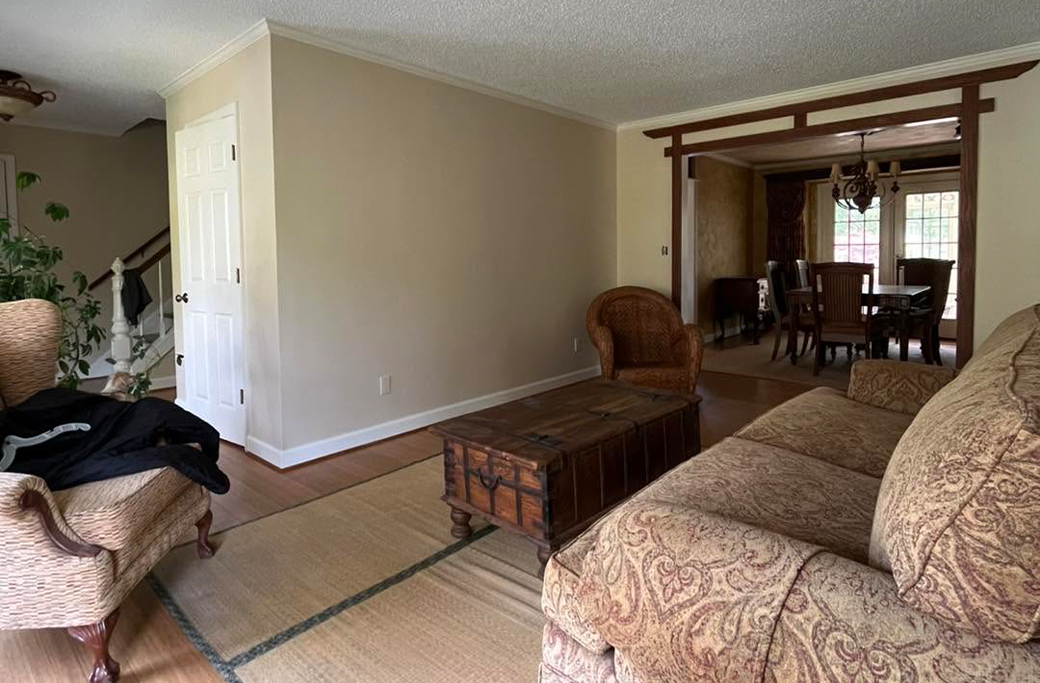
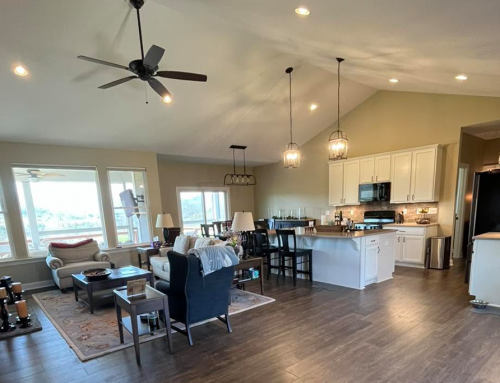
Planning around furniture and frequently used rooms helps make winter interior painting more convenient for homeowners.
A little planning helps the project run more smoothly, whether you’re refreshing one room or several.
Keep Rooms Comfortable and Accessible
Maintain suitable indoor heating before, during, and after painting. Clear smaller belongings from the work area and discuss larger furniture with your painting team.
Identify Existing Surface Problems
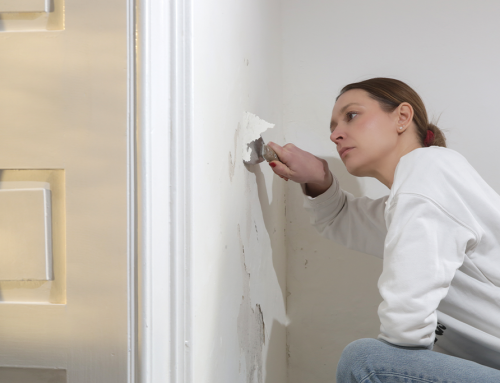
Peeling paint, stains, cracks, and damp areas should be evaluated before applying a new finish. Fresh paint can improve appearance, but it won’t correct an unresolved moisture problem.
Plan Around Everyday Activities
If you’re living in the home during the project, consider which rooms your family needs most. For a second home or vacation property, discuss access, heating, occupancy dates, and final inspection arrangements before scheduling.
Our residential interior painting services include walls, ceilings, trim, and other interior surfaces, with preparation tailored to each home’s needs. Choosing the right painting contractor is just as important as selecting the right paint. For helpful questions to ask before hiring, explore our guide to How to Choose the Right Interior House Painter.
Painting Homes Near the NC–SC Border?
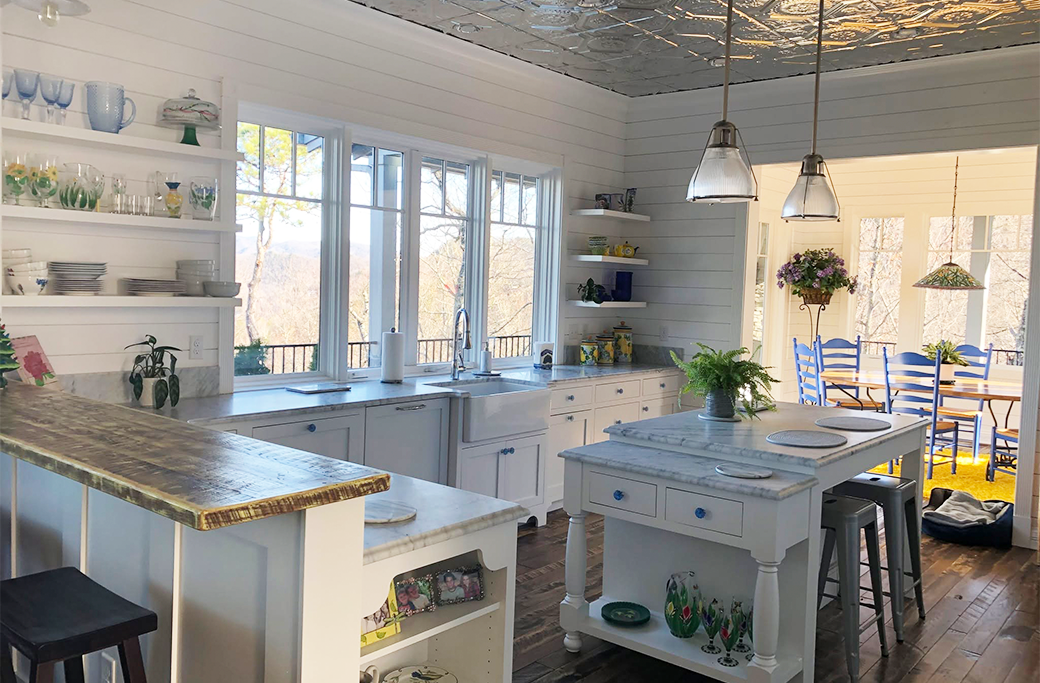
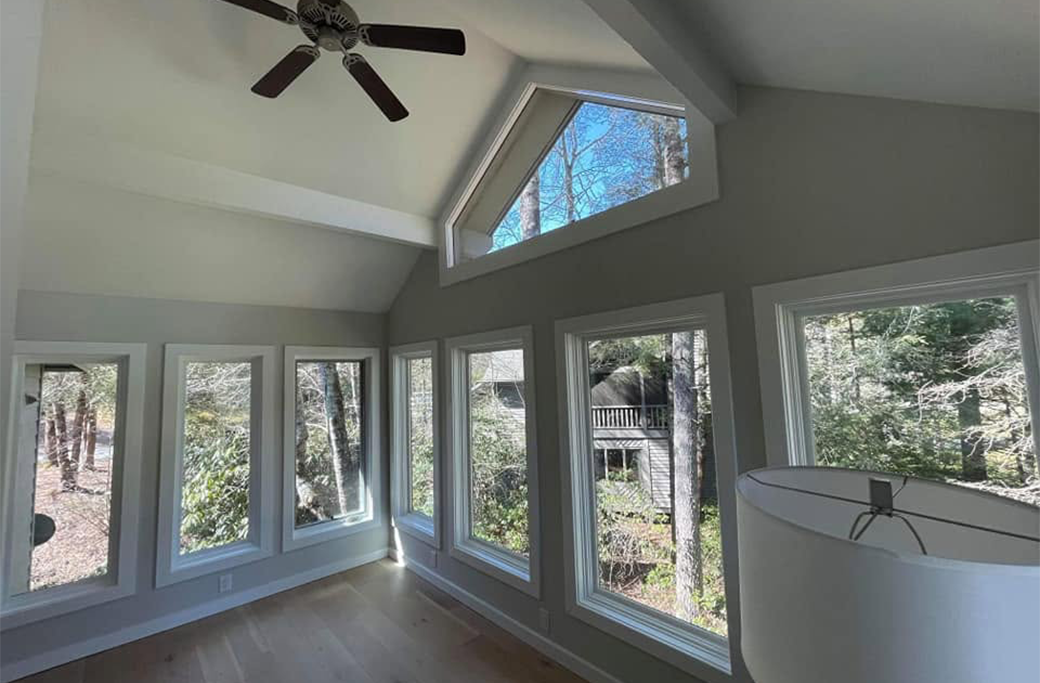
Mountain homes have unique interior features, from shiplap walls to expansive windows. The right paint colors and proper preparation can keep these spaces looking beautiful year-round.
The same basic painting principles apply throughout the region, but individual properties can present different challenges. A primary residence in Franklin may remain heated throughout winter, while a mountain getaway near Highlands or Scaly Mountain might sit unoccupied between visits. Likewise, a home near Brevard or Lake Toxaway may have rooms that receive limited winter sunlight. These differences can influence surface temperature, moisture, scheduling, and how colors appear.
We proudly serve homeowners throughout Macon County, including Franklin, Highlands, Otto, and Scaly Mountain, as well as Transylvania County communities such as Brevard and Lake Toxaway.
For properties closer to or across the state line, we recommend providing the full address so service availability can be confirmed.
When Should You Postpone Winter Interior Painting?
Although winter painting is often practical, some conditions warrant waiting.
Consider postponing the project when:
-
-
Indoor or surface temperatures fall below the paint’s specified range.
-
Heating cannot be maintained consistently.
-
Walls show active moisture, condensation, or unresolved leaks.
-
Adequate ventilation cannot be provided.
-
A recently unheated property hasn’t had time to stabilize.
-
Waiting until the conditions are appropriate is better than rushing an application that may not perform as intended.
Ready to Refresh Your Interior This Winter?
Winter doesn’t have to mean putting your painting plans on ice.
Whether you’re updating a family home in Asheville, refreshing rooms in Sylva or Waynesville, or planning improvements to a property near the North Carolina–South Carolina border, Huskey’s Paint & Design can help you evaluate the surfaces, conditions, and timing.
We believe successful interior painting begins with careful preparation, suitable products, and a plan that fits your home.
Ready to give your walls a fresh start? Contact Huskey’s Paint & Design to request an interior painting estimate, or call 828-214-7100. Tell us where your property is located and what you’d like to refresh, and we’ll help you take the next step.