Peeling or bubbling interior paint usually means the paint is losing its bond with the surface underneath. Common causes include moisture, poor surface preparation, incompatible coatings, or painting before a surface is sufficiently dry. The best way to fix peeling paint is to identify and correct the underlying problem before repainting.
At Huskey’s Paint & Design, we understand how frustrating it can be to discover bubbling paint on a wall that looked perfectly fine a few months ago. Whether you’re maintaining a home in Asheville, Sylva, Waynesville, or elsewhere in Western North Carolina, knowing what causes paint failure can help you avoid repeated repairs and make informed decisions about professional interior painting
Why Is Paint Peeling or Bubbling on Interior Walls?
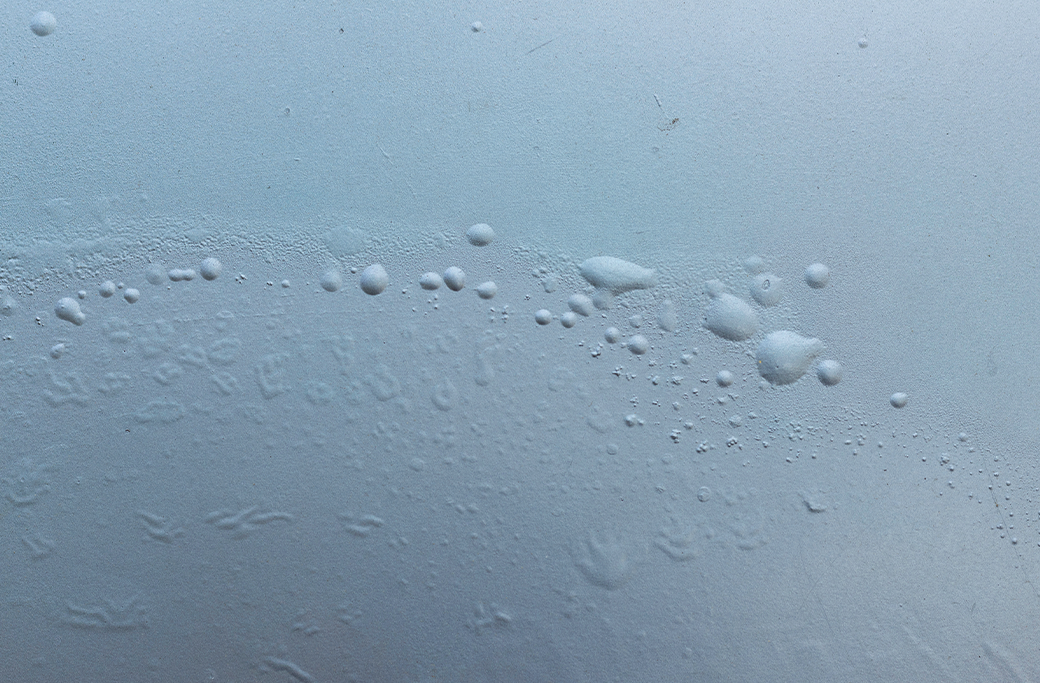
Bubbling or blistering paint creates raised pockets beneath the surface, often caused by trapped moisture, poor adhesion, or improper painting conditions.
Although homeowners sometimes use these terms interchangeably, peeling, bubbling, blistering, cracking, and flaking describe different types of paint damage.
-
-
Peeling: Paint separates from the underlying surface in strips or sheets.
-
Bubbling or blistering: Raised pockets form beneath the paint film.
-
Cracking: Small fractures appear in the coating, sometimes resembling a web.
-
Flaking: Small pieces of dried paint break away from the surface.
-
These symptoms can have overlapping causes, but the appearance and location of the damage often provide useful clues. For example, bubbling near a bathroom ceiling may suggest excess moisture, while peeling around a frequently touched doorway may result from poor adhesion or inadequate cleaning before painting.
What Causes Interior Paint to Peel or Bubble?
1. Moisture Behind the Paint
Moisture is one of the most important causes to investigate when interior paint begins bubbling or peeling. Water can enter walls through plumbing leaks, roof problems, exterior openings, or condensation. When moisture accumulates beneath a coating, it can weaken adhesion and eventually cause visible damage.
Warning signs include discoloration, dampness, soft drywall, recurring bubbles, or paint separating in irregular patches. If moisture is present, repainting without correcting its source usually provides only a temporary cosmetic improvement.
2. High Humidity and Condensation
Bathrooms, laundry rooms, kitchens, and poorly ventilated spaces can experience elevated humidity. When humid air meets a cooler surface, condensation may develop. Repeated moisture exposure can contribute to paint deterioration, especially when the existing coating or surface preparation is inadequate.
Western North Carolina homeowners may notice humidity-related concerns in bathrooms, basements, and homes that remain closed for extended periods. For homeowners in Sylva and Jackson County, understanding the condition of existing surfaces is especially important when planning interior painting projects.
3. Poor Surface Preparation
One of the most common reasons paint fails is that the surface was not properly prepared. Paint needs a sound, clean surface to adhere correctly. Problems may occur when a wall is painted over:
-
-
-
-
Dust or construction residue
-
Cooking grease or other contaminants
-
Loose or flaking paint
-
Glossy surfaces that require additional preparation
-
Previously damaged or deteriorating coatings
-
-
-
At Huskey’s Paint & Design, we emphasize preparation because a beautiful finish depends on the condition of the surface underneath.
4. Missing Primer or Incompatible Coatings
Primer can improve adhesion and help create a suitable foundation for finish paint, but not every project requires the same primer. Previously painted surfaces, bare drywall, patched areas, and certain existing coatings may have different preparation requirements.
Applying a new coating over an incompatible or poorly bonded finish can lead to peeling, even when the new paint itself is high quality. Choosing an appropriate preparation and coating system matters more than simply adding another layer of paint.
5. Painting Under Unsuitable Conditions
Temperature, humidity, ventilation, and surface moisture can influence how paint applies and forms a durable film. Painting over a damp wall, applying coatings outside manufacturer recommendations, or recoating before the previous layer is ready can contribute to problems. The correct conditions depend on the particular product and substrate.
How Can You Tell What Is Causing the Paint Damage?
The location, appearance, and timing of paint failure can help narrow down the possibilities.
| What You Notice | What It May Indicate |
|---|---|
|
Bubbles near a bathroom ceiling |
Condensation or excess humidity |
|
Peeling beneath a window |
Water intrusion or poor adhesion |
| Paint lifting in large sheets |
Inadequate surface preparation or incompatible coatings |
| Recurring bubbles in the same area |
Unresolved moisture or substrate problems |
| Flaking around patched drywall |
Inadequate preparation or priming |
These are clues, not definitive diagnoses. If the wall feels damp, appears stained, or repeatedly develops bubbles, investigate potential moisture sources before attempting repairs. Suspected mold, plumbing leaks, or damaged building materials may require an appropriate specialist.
Can You Paint Over Peeling or Bubbling Paint?
No, not successfully over paint that is already loose or blistered. A fresh coat does not restore the bond between a failing coating and the wall. Painting directly over damaged areas may temporarily hide imperfections, but the underlying problem can cause the new paint to fail as well.
Before repainting, the damaged coating needs to be evaluated, unstable material addressed, and the surface properly prepared. If the damage is caused by moisture, the moisture source must also be corrected.
How Do You Fix Peeling or Bubbling Interior Paint?
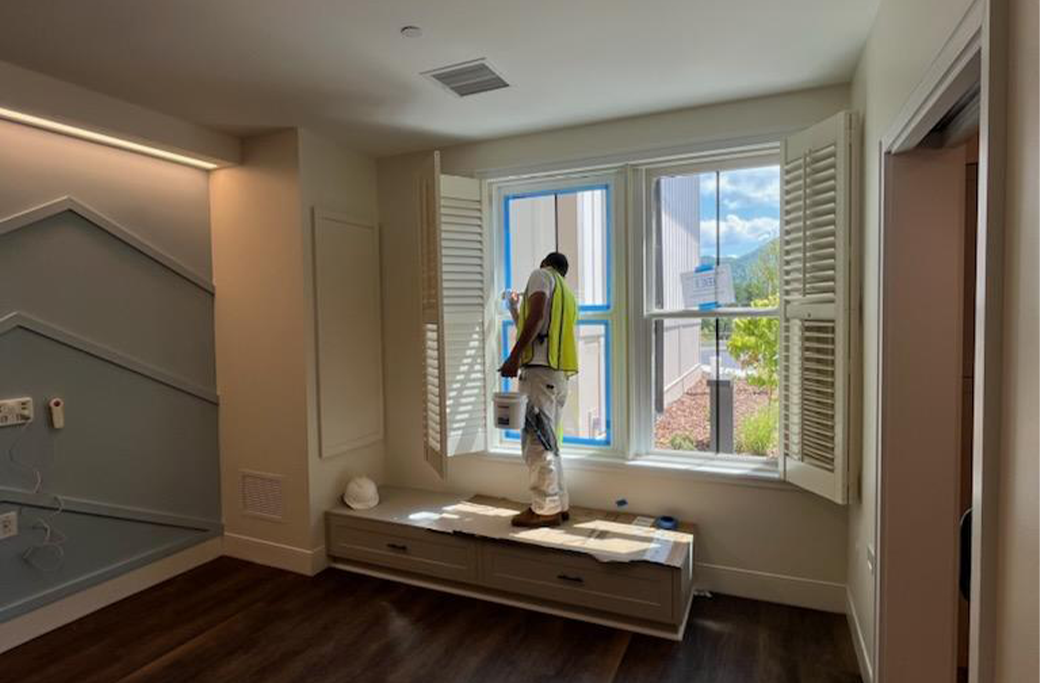
Applying a new finish is one of the final steps after a wall or trim has been properly prepared.
The appropriate repair depends on the extent of the damage and what caused it.
Step 1: Identify and Correct the Cause
Determine whether moisture, contamination, surface deterioration, or coating incompatibility is responsible. Correct leaks or other underlying problems before cosmetic repairs begin.
Step 2: Allow the Surface to Dry
If moisture contributed to the problem, the wall must dry sufficiently before painting. The necessary drying period depends on the materials and conditions.
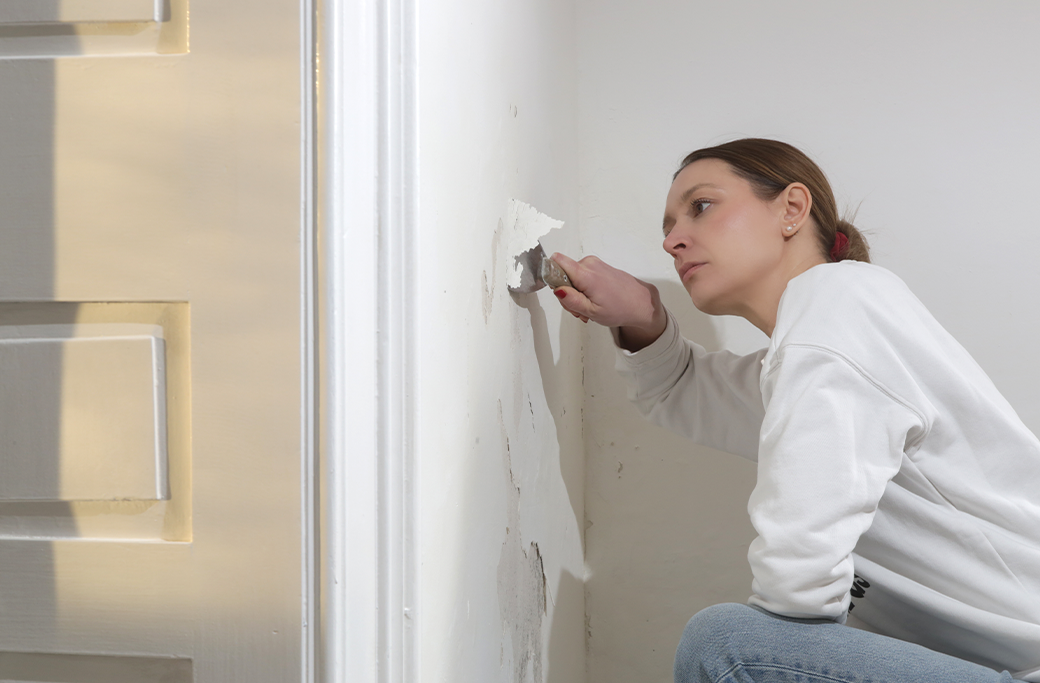
Step 3: Remove Unsound Paint
Loose coatings generally need to be removed using appropriate methods, while sound surrounding paint may remain.
Important: Homes built before 1978 may contain lead-based paint. Avoid disturbing potentially lead-containing coatings without following applicable lead-safe requirements and using appropriately certified professionals.
Step 4: Prepare and Prime the Surface
Depending on the damage, preparation may involve cleaning, smoothing edges, repairing suitable surface imperfections, and applying an appropriate primer. The goal is a clean, dry, stable surface ready to accept the new coating.
Step 5: Repaint Using Suitable Products
Once the underlying problem has been corrected and preparation is complete, the surface can be repainted according to the selected coating manufacturer’s instructions. A successful repair addresses more than appearance. It restores a suitable foundation for the new finish.
When Should You Call a Professional Interior Painter?
Small areas of cosmetic damage may be manageable for homeowners comfortable with basic painting preparation. However, professional evaluation becomes more valuable when peeling covers large areas, multiple rooms are affected, previous repairs have failed, or the existing coatings are difficult to identify.
At Huskey’s Paint & Design, our residential interior painting services begin with understanding the surfaces involved and the work needed to achieve the desired result. For properties with active leaks, significant water damage, or suspected mold, the underlying problem should be evaluated and corrected by the appropriate professional before painting proceeds.
Get Help With Interior Painting in Western North Carolina
Peeling or bubbling paint doesn’t always mean an entire room needs repainting. Sometimes the issue is localized. Other times, widespread coating failure makes a more extensive painting project worth considering. Understanding how much interior house painting costs can help homeowners plan for repairs and determine when a larger repainting project makes sense.
At Huskey’s Paint & Design, we help homeowners throughout Asheville and Western North Carolina plan interior painting projects with attention to surface condition, preparation, and the finished appearance. Our team also serves homeowners in Waynesville and Haywood County.
Ready to give your interior walls a fresh start? Contact Huskey’s Paint & Design to request an estimate or call 828-214-7100.