
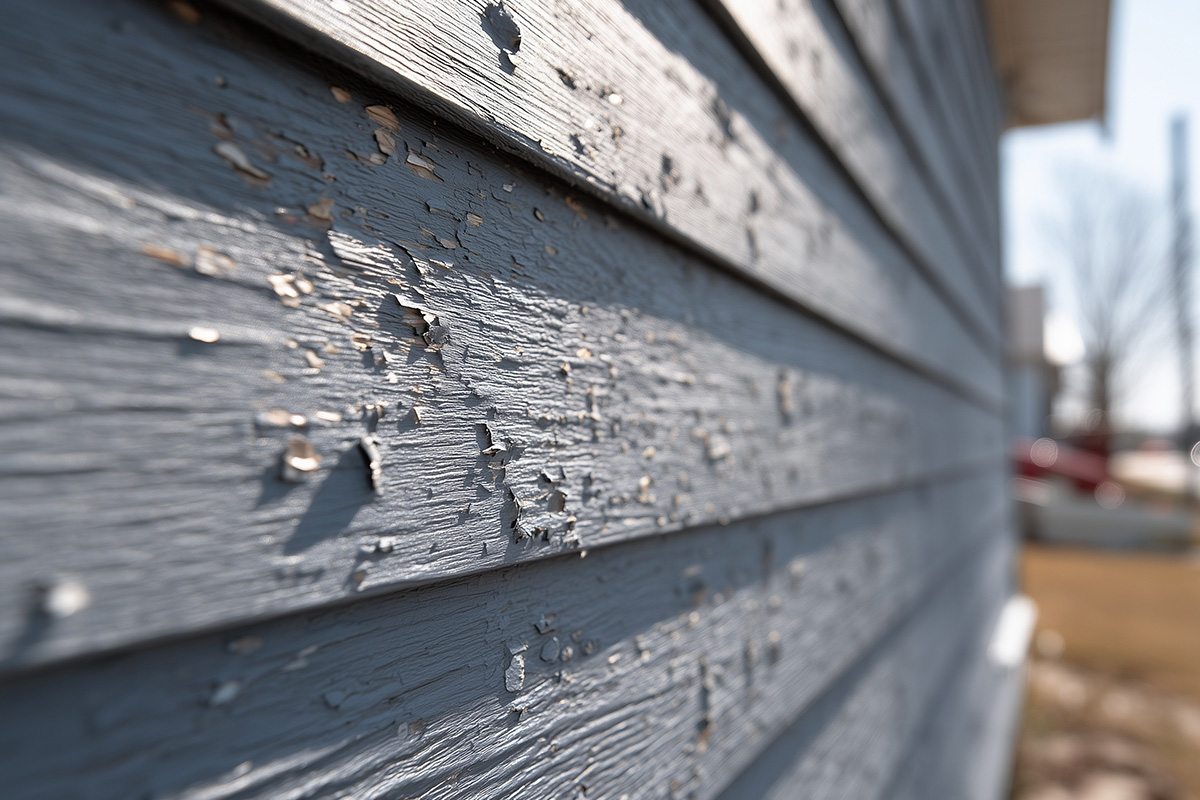
A quick fall exterior inspection can help Western North Carolina homeowners catch peeling paint, damaged caulking, and exposed wood before winter weather turns small problems into costly repairs.
Fall in Western North Carolina brings cooler temperatures, colorful mountain views, and the perfect opportunity to prepare your home for winter. While you’re enjoying the changing leaves, it’s also a good time to check your home’s exterior for signs of wear and weather damage.
From Sylva and Waynesville to communities throughout Western North Carolina, mountain homes face unique challenges during the colder months. Freezing temperatures, snow, rain, and repeated freeze-thaw cycles can take a toll on exterior paint, wood siding, decks, and trim.
At Huskey’s Paint & Design, we encourage homeowners to take just five minutes this fall to walk around their property and look for potential trouble spots. Catching these issues early can help protect your home, prevent expensive repairs, and make planning your next painting or staining project much easier.
Here are five things to look for during your fall exterior home inspection.
1. Look for Peeling, Cracking, or Bubbling Exterior Paint
Your home’s exterior paint does more than improve curb appeal. It also serves as a protective barrier against moisture, sunlight, and changing temperatures.
When paint begins peeling, cracking, or bubbling, that protection may be compromised. Moisture can find its way beneath the paint and into exposed wood, potentially leading to deterioration or rot.
During your walk-around, pay particular attention to:
- South- and west-facing walls that receive direct sunlight.
- Window trim, fascia boards, and exterior doors.
- Areas near gutters and downspouts.
- Wood siding exposed to frequent rain or moisture.
Helpful Tip: Gently press the wood around areas with peeling paint. If it feels soft or spongy, moisture damage or wood rot may already be present. Be sure to mention this when scheduling an exterior painting estimate.
Addressing failing paint before winter can help prevent further deterioration and protect your home’s exterior surfaces.
2. Check Caulking Around Windows, Doors, and Trim
Caulking plays an important role in keeping moisture and unwanted drafts out of your home. Unfortunately, exposure to sunlight, temperature changes, and age can cause exterior caulk to dry out, shrink, crack, or separate from surrounding surfaces.
Walk around your home and inspect the areas where different building materials meet, especially around windows, doors, and exterior trim.
Look for visible gaps, cracked caulking, or sections that have pulled away from the surface.
These openings can allow rainwater to penetrate vulnerable areas, particularly during winter storms and repeated freezing and thawing.
Helpful Tip: Properly sealing gaps around windows and doors can also help reduce drafts and improve indoor comfort during colder months.
Professional exterior painting preparation often includes addressing failed caulking to help create a durable, weather-resistant finish.
3. Inspect Decks, Railings, and Wood Siding for Worn Stain
Wood decks, porch railings, fences, and log siding are especially vulnerable to Western North Carolina’s changing weather conditions.
Over time, sunlight and moisture wear away protective stains and finishes, leaving wood exposed to the elements.
Common warning signs include:
- Gray or faded wood surfaces.
- Rough, dry, or splintering boards.
- Visible cracks in deck boards or railings.
- Areas where stain has worn away unevenly.
- Wood that absorbs water quickly.
When wood loses its protective finish, moisture can penetrate the surface. As temperatures drop below freezing, trapped moisture can contribute to cracking, splitting, and other damage.
Try This Simple Test: Sprinkle a small amount of water onto a clean, dry section of your deck or railing. If the water soaks in quickly rather than beading on the surface, the protective finish may be worn and the wood could benefit from professional evaluation and restaining.
Regular deck and wood staining maintenance helps preserve the natural beauty of exterior wood while extending its useful life.
4. Watch for Mildew and Dark Stains on Exterior Siding
Western North Carolina’s mountain climate provides plenty of moisture, especially in shaded areas where sunlight is limited.
North-facing walls, siding beneath trees, and surfaces near the ground often stay damp longer than other parts of a home.
These conditions can encourage mildew, algae, and other biological growth.
During your inspection, look for green or black discoloration on siding, trim, decks, and other exterior surfaces.
While some staining may be primarily cosmetic, persistent moisture and biological growth can indicate conditions that contribute to premature finish deterioration.
Helpful Tip: Proper cleaning is an important part of preparing exterior surfaces for painting or staining. Depending on the surface and its condition, professional washing and appropriate treatment can remove contaminants and help new coatings adhere properly.
If you notice recurring discoloration, it’s worth identifying the source of excess moisture before applying a new finish.
5. Identify Bare Wood and Areas Where Paint or Stain Has Worn Away
Some of the most vulnerable areas of your home’s exterior are also the easiest to overlook.
Window sills, door thresholds, porch floors, stair treads, and the lower edges of wood siding often experience greater exposure to moisture and everyday wear.
When paint or stain wears away completely, bare wood is left without the protection of a surface coating.
During your fall inspection, look closely at these high-exposure areas for missing finishes, worn edges, and exposed wood grain.
Even a relatively small unprotected area can become a larger maintenance issue when exposed to months of rain, snow, and freezing temperatures.
Helpful Tip: Take a few photos of any areas that concern you. Sharing these images with a professional painting contractor can help identify which surfaces may need attention and whether repairs should be completed before repainting or staining.
Why Fall Is a Smart Time to Plan Exterior Painting in Western North Carolina
Fall is an excellent time to evaluate your home’s exterior condition, even if you aren’t planning to repaint immediately.
Exterior painting and staining require suitable temperatures, dry surfaces, and favorable weather conditions. As winter approaches in the mountains, opportunities for certain exterior projects can become more limited.
Identifying issues in October gives you time to determine whether immediate repairs are necessary or whether your project can be scheduled for spring.
Planning ahead also offers several advantages:
- Prevent Larger Problems: Identify vulnerable areas before winter moisture causes additional damage.
- Plan Your Budget: Understand the scope of potential painting, staining, or repair work.
- Prepare for Spring: Schedule your project before the busy exterior painting season.
- Protect Your Investment: Maintain the finishes that help shield your home from the elements.
- Maintain Curb Appeal: Keep your home’s exterior looking its best throughout the year.
While some minor cosmetic issues may be able to wait until spring, active leaks, exposed deteriorating wood, and significant moisture problems should be addressed promptly.
Let Huskey’s Paint & Design Help You Prepare for the Seasons Ahead
At Huskey’s Paint & Design, we understand the challenges that Western North Carolina’s weather can create for homeowners.
As a family-owned and locally operated painting company based in Sylva, NC, we proudly serve homeowners and businesses throughout much of Western North Carolina with professional interior painting, exterior painting, and staining services.
Whether you’ve noticed peeling paint, faded deck stain, or exterior surfaces that need attention, our team can help you evaluate your painting and staining needs and plan the next steps.
Spotted something during your fall walk-around? Don’t wait until spring to start planning.
Contact Huskey’s Paint & Design to discuss your project, share photos of problem areas, or request an estimate. Getting started now can help you secure a place on our spring painting schedule before the busy season arrives.
Protect your home today so you can enjoy it for seasons to come.
Contact Huskey’s Paint & Design
Frequently Asked Questions About Fall Exterior Home Maintenance
What should homeowners inspect before winter in Western North Carolina?
Homeowners should check for peeling exterior paint, cracked caulking, worn deck stain, mildew or algae growth, and exposed wood. These conditions can leave exterior surfaces vulnerable to moisture and freeze-thaw damage during winter.
Can you paint the exterior of a house during fall in North Carolina?
Yes. Exterior painting can be completed during fall when temperatures, surface conditions, and weather forecasts meet the paint manufacturer’s requirements. Mountain temperatures can change quickly, making proper scheduling especially important.
How do I know if my deck needs to be restained?
Common signs include faded or gray wood, rough surfaces, worn stain, and water that absorbs quickly instead of beading. A professional can evaluate the wood’s condition and recommend appropriate cleaning, preparation, and staining.
Should I wait until spring to repair peeling exterior paint?
Not necessarily. Small cosmetic issues may be scheduled for spring, but exposed wood, moisture intrusion, and deteriorating surfaces should be evaluated promptly to help prevent additional damage.
How often should I inspect my home’s exterior paint and wood surfaces?
Inspecting your home’s exterior at least twice a year, typically in spring and fall, is a good maintenance practice. Additional inspections after severe storms can help identify damage before it worsens.